Silver Craft of the Miao People
Introduction
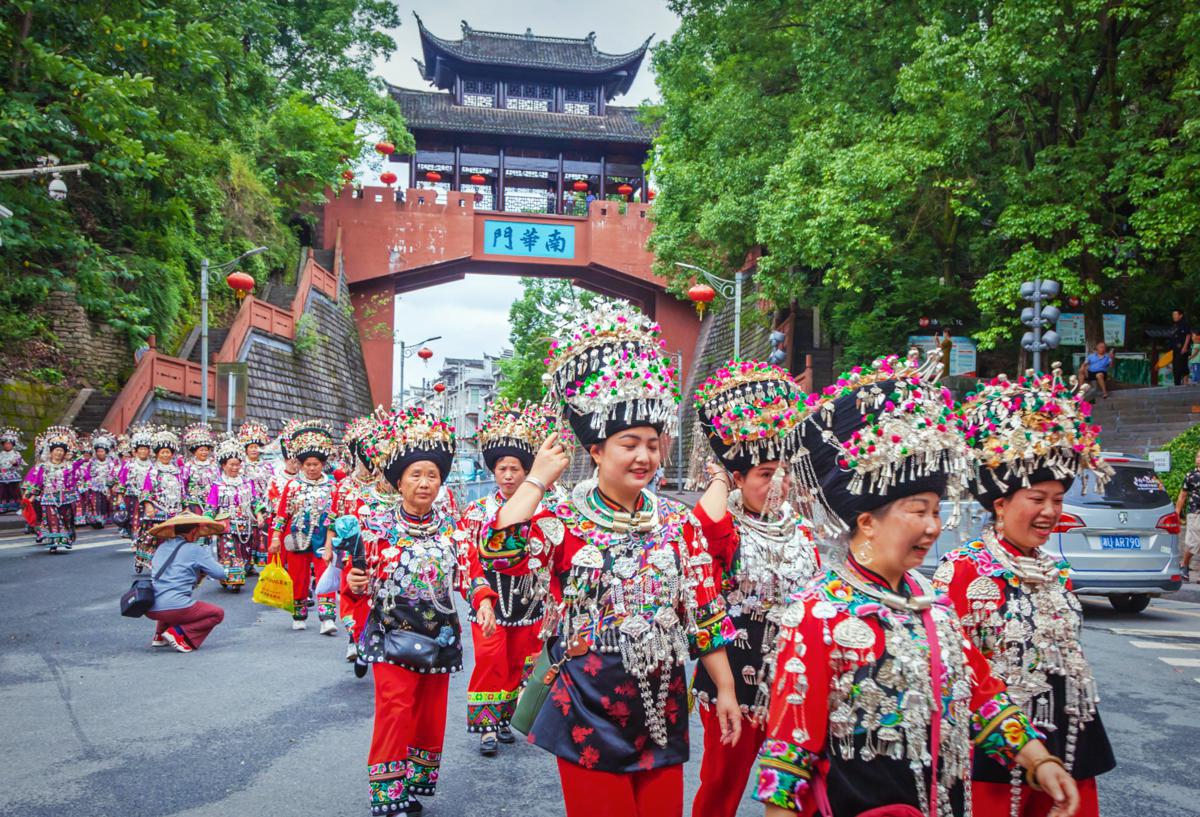
The silver craft of the Miao people is a traditional and intricate form of artistry deeply rooted in the cultural heritage of the Miao ethnic group, primarily found in China's Guizhou province. This craft involves the creation of elaborate silver ornaments, which serve as both decorative and symbolic items within Miao culture. These ornaments are integral to significant cultural events, such as weddings, where a bride's dowry typically includes a complete set of silver decorations, including hats, bracelets, collars, and anklets, collectively weighing between 6 and 9 kilograms. The craft is not only a representation of artistic prowess but also a reflection of the Miao people's rich traditions and identity.
The silver craft has evolved over centuries, blending traditional techniques with modern innovations. It has gained global attention through efforts by individuals who use modern platforms such as livestreaming to showcase the craft to a wider audience. This fusion of tradition and modernity has helped preserve the craft while introducing it to new markets and audiences beyond its regional origins.
History
The history of Miao silver craftsmanship dates back centuries, with its origins deeply intertwined with the cultural practices and beliefs of the Miao people. Silver has long been regarded as a symbol of wealth, purity, and protection within Miao society. The tradition of crafting silver ornaments is believed to have emerged as a way to express social status, celebrate important life events, and ward off evil spirits.
Historically, the craft was passed down through generations, with knowledge and techniques shared within families and communities. Young Miao girls often learned the art by observing and assisting elder artisans, ensuring the continuity of the craft.
Over time, the craft evolved to incorporate influences from other artistic traditions and materials, reflecting the dynamic nature of Miao culture. Despite challenges such as modernization and urbanization, which have led many younger Miao generations to move away from their traditional roots, efforts have been made to preserve and revive the craft, ensuring its survival for future generations.
Cultural Significance
The silver craft holds profound cultural significance for the Miao people, serving as a tangible expression of their identity, traditions, and values. Silver ornaments are not merely decorative; they carry deep symbolic meanings and are integral to various cultural practices and ceremonies. For instance, in Miao weddings, the bride's dowry includes a complete set of silver decorations, symbolizing wealth, blessings, and protection. These ornaments are meticulously crafted to represent motifs such as flowers, birds, and butterflies, which are often associated with beauty, harmony, and prosperity.
Beyond their aesthetic appeal, silver ornaments also serve as markers of social status and cultural pride. They are worn during festivals, celebrations, and other significant events, showcasing the craftsmanship and artistic heritage of the Miao people. The intricate designs and motifs reflect the community's connection to nature and their appreciation for artistry.
The silver craft also plays a role in preserving intangible cultural heritage, as it embodies traditional techniques, skills, and knowledge passed down through generations. Efforts to integrate the craft into modern life, such as through education and online platforms, have further highlighted its cultural importance and ensured its relevance in contemporary society.
Crafting Techniques
The crafting techniques of Miao silver ornaments are highly intricate and require exceptional skill and precision. The process begins with the selection of high-quality silver, which is melted and shaped into various forms using traditional tools and methods. Artisans employ techniques such as hammering, engraving, and filigree to create detailed patterns and designs, often inspired by natural elements like flowers, birds, and butterflies.
One of the defining features of Miao silver craftsmanship is the emphasis on handwork. Each piece is meticulously crafted by hand, with artisans dedicating hours or even days to complete a single ornament. The process involves multiple stages, including designing, shaping, and polishing, to achieve the desired level of detail and refinement.
The craft also incorporates innovative approaches, blending traditional techniques with modern materials and designs. For example, Wan Lanfang, a teacher at Guizhou Minzu University, has pioneered unique jewelry designs that combine ethnic Miao motifs with traditional embroidery, bamboo weaving, enamel, ceramics, batik, and leather. These creations honor the heritage of Miao silver craftsmanship while embracing contemporary aesthetics, showcasing the adaptability and creativity of the craft.
Influence on Global Culture
Miao silver craftsmanship has gradually gained recognition and influence on a global scale, thanks to efforts to promote and preserve the craft. The intricate designs and cultural significance of Miao silver ornaments have attracted attention from international audiences, showcasing the artistic heritage of the Miao people.
The craft's influence can be seen in the growing popularity of ethnic-inspired jewelry and fashion, with designers incorporating Miao motifs and techniques into their creations. This has helped raise awareness of Miao culture and traditions, fostering cross-cultural appreciation and exchange.
Efforts to integrate Miao silver craftsmanship into modern life have also contributed to its global influence. By blending traditional techniques with contemporary aesthetics, artisans like Wan Lanfang have created wearable works of art that appeal to diverse audiences. These innovations have not only preserved the craft but also expanded its reach, ensuring its continued relevance and impact on global culture.








